

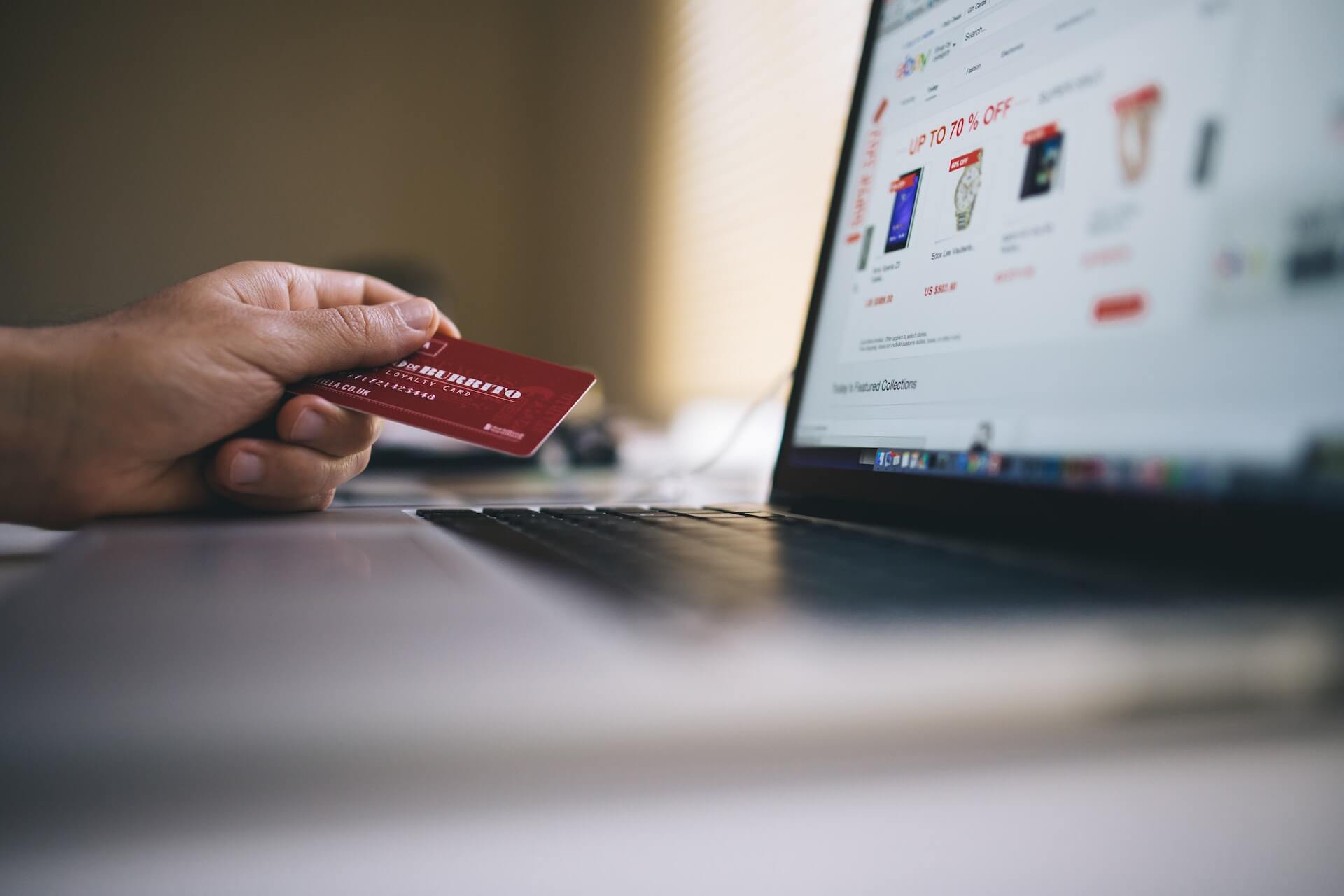
Is your company ready to go global with e-commerce? Maybe it should be. Opportunities to sell globally are substantial and growing. While e-commerce retail sales in the United States are rising — expected to reach $523 billion in the next five years — that number is growing even more rapidly worldwide.
Globally, business-to-consumer (B2C) online sales is on pace to exceed $2 trillion by 2017. E-sales in Asia Pacific will surpass those in North America during that same year (yes, thanks to people who buy most of their products from China). The increased use of mobile devices in those regions, plus better payment systems and advanced shipping methods, are contributing to this trend. Consumers in many overseas markets can’t get the products they want in local markets. This presents a huge opportunity for Nigerian retailers.
But launching overseas isn’t easy. If you think you’re ready to expand your online retail footprint across borders, you need to consider some important factors.
1. Assess supply and demand

To get a clearer picture of your probability for success in other markets, first assess your business from the local point of view in your product’s new space. Conduct a regional analysis around local competitors, product demand, pricing and consumer behaviour.
According to e-commerce provider Pitney Bowes, organisations “need to make sure they have a full understanding of what they’re selling today and the current demand” in international markets. This knowledge will help you understand the size of the market that exists, the supply-and-demand dynamic for your product and the price at which it can be sold.
For example, most online spending in China can be attributed to just a handful of online retail segments: apparel, recreation, education and household products. This presents an undeniable opportunity within these markets. Similarly, another study discovered that the U.K. is one of the strongest markets for Nigeria-based online retail. The minimal local supply allow goods to move across borders at an affordable cost. These early learnings either enable ecommerce operations to succeed abroad or doom them to fail in far-flung places.
2. Localise your product

Businesses that launch physical products in international markets usually need to augment or adapt their solutions to support local preferences. Many Nigeria-based brands have failed to bring existing products to new markets because company leaders think that aggressive marketing or pricing can change cultural appetites that have been cast in stone.
AugustSecrets took the Nigerian pap, crayfish, dry fish and other baby food products, branded them for the international market. Due to the quality of her products and their demand in international markets, the brand has become a go-to for baby food products or baby nutrition advises.
3. Localise your e-commerce site

Authentic localisation is a crucial driver for regionalised sales. Your e-commerce site experience should reflect the time and care you spent customising the product itself. Consumers won’t make a purchase if they don’t understand your product or can’t tune in to your message. In fact, 87 percent of consumers who can’t read English won’t purchase products or services from an English-language website, while 60 percent of global customers rarely buy on English-language sites.So, if your products are targeting customers who understand pidgin English more, please, use it.
Believe it or not, 95% of Nigerian ecommerce sites rely on Google translate to approximate different languages when expanding internationally. According to Russell Goldsmith, Director at U.K. translation company Conversis, this type of website shortcut is a mistake.
“If you care about your audience in that local territory, you could end up making things worse for yourself because anyone who speaks that language will see that it’s been automated, and that it’s not perfect for their language,” Goldsmith says.
Recruit a local team to help your ecommerce experience adapt to a new market. Make certain your message translates to appeal to consumers in terms of language, style, tone, shopping habits and terminology. It’s also a good idea to include a glossary of terms for translators to keep your brand’s messaging intact.
4. Set prices accordingly

When you enter a new international market, you must price based on local currency. But price points that work in the Nigeria don’t always work elsewhere (talk about this recession). Competitive pricing is important in any market — and it’s determined by the local environment. More than half of consumers give more attention to an ecommerce site that has goods at local prices.
Many factors contribute to local pricing in global markets. These include:
- Cost to manufacture the product
- Fluctuations in foreign currencies
- Price an international customer will pay
- Your competitors’ pricing
- Local regulatory or tax environment
It’s also important to support each region’s preferred payment method. While it’s exhausting to track so many purchasing habits, it can positively affect how your product sells. According to Ontraport, 50 percent of Germans prefer paying with bank transfers, while many Chinese customers favour the international payment platform Alipay.
If a customer tries to buy an international product and doesn’t see a preferred payment option, he or she probably will leave your online store to look elsewhere. Offering a wide range of payment tools increases your product’s global reach.
5. Focus on privacy and customer data

If you’re building a global online store, you must understand how privacy and customer data pertains to overseas consumers. Customers want to know their privacy is being protected. They need reassurance their personal information won’t be used for unrelated business without their consent. Get an SSL certificate for your website from your host company, if your hosting company doesn’t have, I recommend you visit WhoGoHost for this.
Cyber safety is a huge problem plaguing modern ecommerce. According to a Norton study, 40 percent of mobile shoppers in the Middle East and North Africa have been victims of cyber crimes. And 71 percent reported observing digital attacks in their region. Alternatively, European consumers are notoriously protective about their privacy online (this one that Nigeria’s now ranking high on the fraud list).
Put privacy front-and-centre in messaging across your site experience to allay these fears. And back up those words by investing in the technology to keep customers’ private information, private. You’ll want a team in place to manage compliance and other security and privacy-related costs. An EU study points out two of the biggest challenges in cross-border trade:
the expenses synonymous with consumer-protection rules and contract law
the costs of fraud and non-payment.
Expanding into the global ecommerce arena can be a challenging yet profitable new step for established and emerging brands alike. Keep the right priorities in mind to minimise the bumps, and you’ll accelerate your success in a new corner of the international online marketplace.
Keep an eye on my site, because I will be diving deeper into how to take your online store to a global stage, beat your competitors and compete head-to-head with the big guns.
Globally, business-to-consumer (B2C) online sales is on pace to exceed $2 trillion by 2017. E-sales in Asia Pacific will surpass those in North America during that same year (yes, thanks to people who buy most of their products from China). The increased use of mobile devices in those regions, plus better payment systems and advanced shipping methods, are contributing to this trend. Consumers in many overseas markets can’t get the products they want in local markets. This presents a huge opportunity for Nigerian retailers.
But launching overseas isn’t easy. If you think you’re ready to expand your online retail footprint across borders, you need to consider some important factors.